
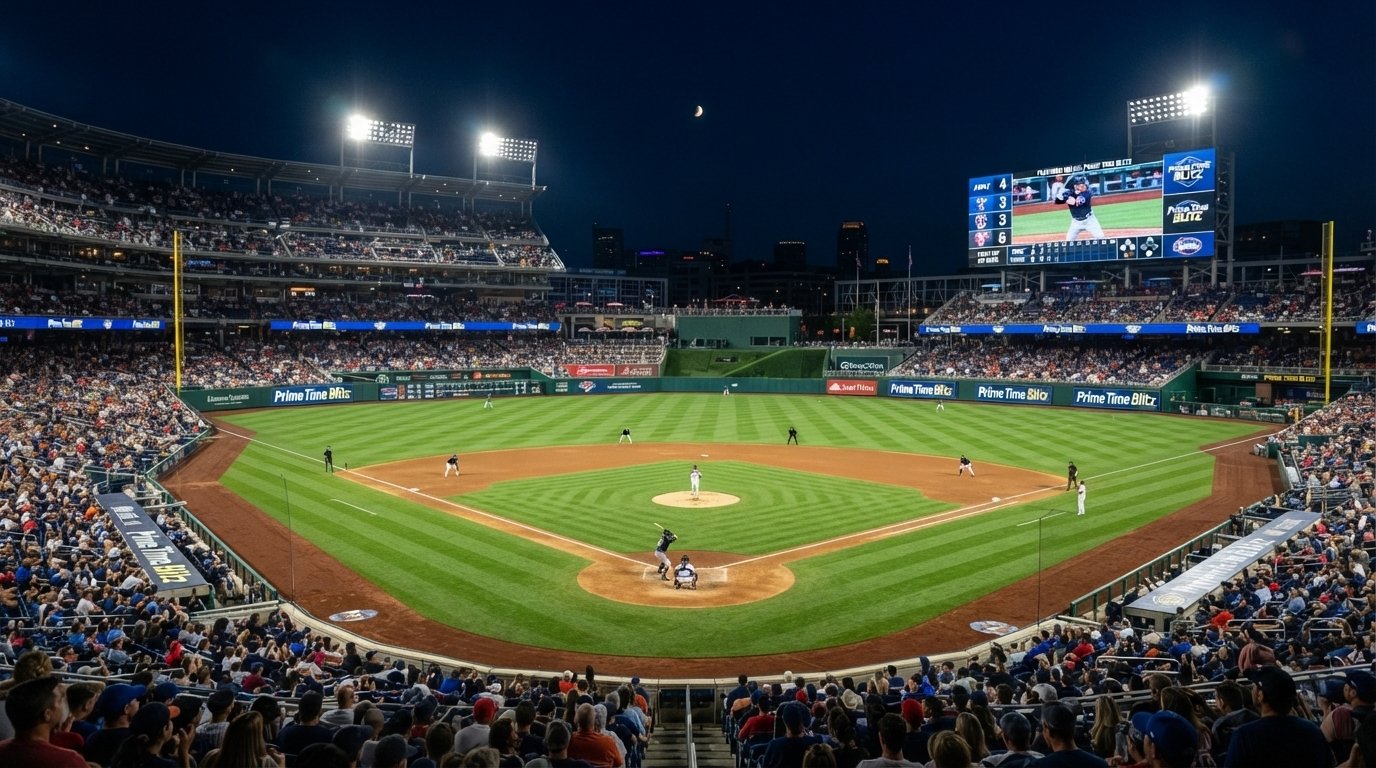
As the Major League Baseball season enters its pivotal high-stakes matchups, tactical decision-making and MLB Postseason Dynamics have taken center stage. In a long and grueling regular season, teams that adapt their bullpen strategies and lineup rotations during late-game situations are positioning themselves for deep October runs.
The Evolution of Pitching Strategy in MLB Postseason Dynamics
Modern postseason baseball is increasingly defined by aggressive bullpen usage and high-velocity matchup leverage. Starting pitchers are rarely asked to navigate an opposing lineup three times, placing immense pressure on relief corps and managerial foresight during critical innings.
Key pitching elements defining winning ballclubs this October include:
- High-Leverage Bullpen Management: Deploying primary relievers based on opponent lineup leverage rather than traditional fixed inning roles.
- Plate Discipline & Pitch Counts: Forcing opposing starters into long at-bats to strain bullpen availability early in a postseason series.
- Defensive Positioning & Analytics: Utilizing real-time tracking data to optimize infield shifts and outfield depth against pull-heavy power hitters.
Offense and Small Ball Execution in Tight October Games
While home runs continue to drive total run production, situational hitting remains critical when facing elite pitching rotations in the postseason. Executing situational bunts, advancing runners, and delivering two-out RBI hits often separate championship franchises in tight elimination contests.
Key operational priorities for playoff contenders include:
- Clutch Hitting with RISP: Maximizing limited scoring opportunities with runners in scoring position against top-tier closing pitchers.
- Baserunning Aggression: Taking extra bases on hits to outfield gaps and putting constant pressure on defensive throw accuracy.
- Depth Off the Bench: Utilizing pinch-hitters and defensive replacement players effectively in late-inning high-pressure scenarios.
Managerial Adjustments and Rotation Depth
Managing pitching workloads across multi-game series requires strategic foresight. Managers must weigh short-term bullpen availability against long-term series management, ensuring leverage relievers remain fresh for high-stakes late-inning scenarios.
Frequently Asked Questions (MLB Postseason Dynamics FAQ)
Why is pitching depth so critical during the MLB Postseason Dynamics?
Pitching depth allows teams to counter opposing lineup strengths, manage pitcher fatigue across consecutive game days, and maintain high-velocity options in extra innings.
How do managers balance starter length versus early bullpen intervention?
Managers rely on pitch counts, times-through-the-order penalty statistics, and real-time fatigue metrics to pull starters before damage occurs in high-leverage situations.
What to Watch in Modern MLB Postseason Dynamics
With divisional titles and wild-card seeding on the line, every single pitch carries massive championship weight. Teams with deep rotation depth, elite bullpen versatility, and tactical adaptability remain best equipped to handle the grueling demands of postseason baseball.
For official stats and complete postseason schedules, visit the official MLB Portal. For comprehensive baseball coverage, power rankings, and tactical breakdowns, stay tuned to primetimeblitz.com.