
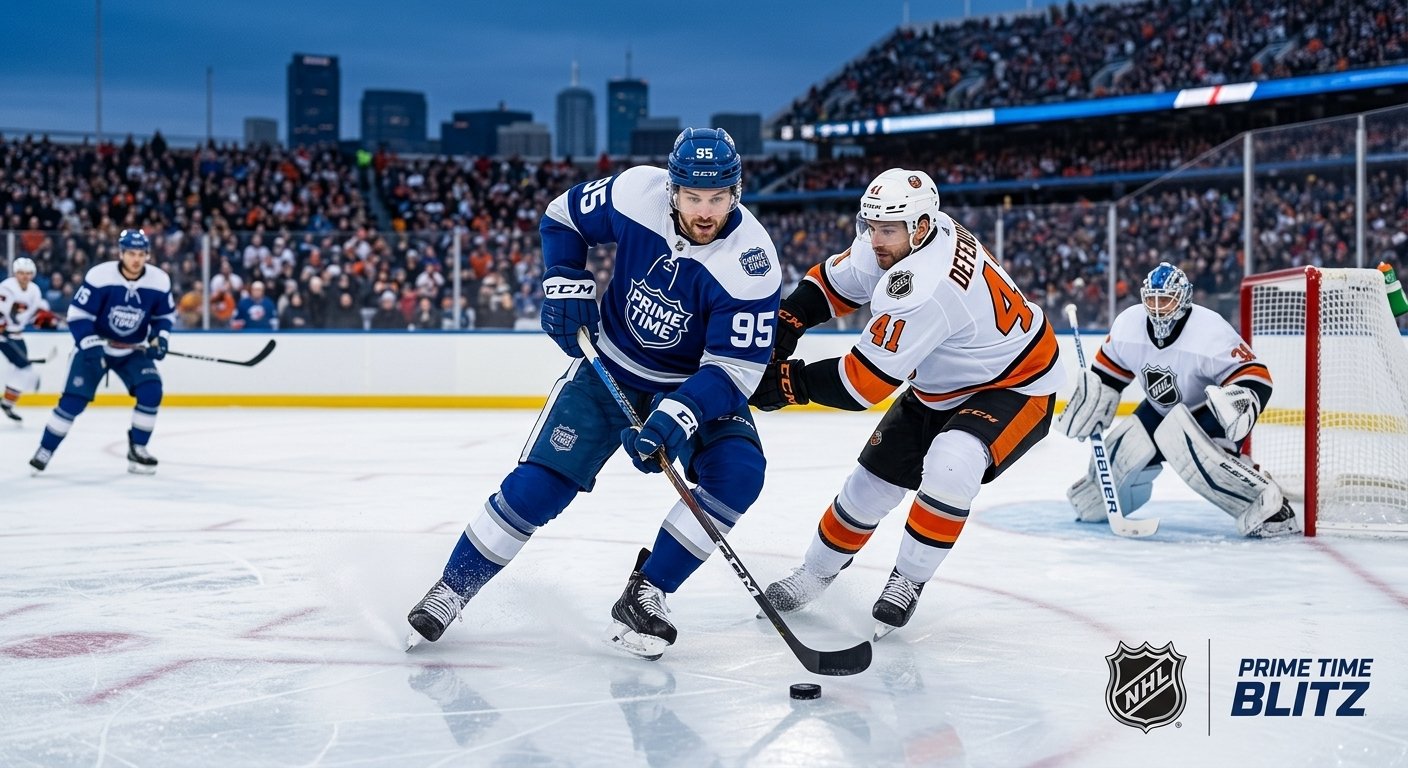
As the hockey season unfolds, contenders across the Eastern and Western Conferences are establishing their tactical identities in the NHL Season Outlook. In an increasingly fast-paced league, long-term postseason success relies heavily on structural discipline, continuous line rotation, and elite goaltending consistency.
The Role of Goaltending and Special Teams in the NHL Season Outlook
Special teams execution remains one of the highest statistical indicators of playoff success. Developing a reliable power-play unit while maintaining a disciplined penalty kill often decides tight divisional contests late in the schedule.
Key tactical focus areas for leading franchises include:
- Power-Play Efficiency: Quick puck movement and net-front presence to create high-danger scoring chances against top-tier penalty killers.
- Penalty Kill Aggression: Denying clean zone entries and disrupting passing lanes in the defensive zone to limit opponent shots.
- Goaltending Stability: Maintaining high save percentages on slot shots and providing physical consistency during back-to-back game travel schedules.
Roster Depth and Defensive Structure Strategy
Beyond top-line scoring stars, championship-caliber teams depend on bottom-six forward depth to sustain continuous offensive pressure. Meanwhile, defensive pairings must balance physical zone clearance with effective breakout passes under aggressive forechecking pressure.
Core operational strategies driving winning streaks include:
- Four-Line Rotation: Rolling four balanced lines to maintain relentless physical pressure and fast game pace throughout 60 minutes.
- Defensive Zone Coverage: Collapsing around the crease to limit second-chance rebound opportunities and clear net-front screens.
- Transition Speed: Executing quick breakout passes from behind the net to catch opposing defenses changing lines during live action.
Coaching Adjustments and Lineup Versatility
Managing player workload and line chemistry over an 82-game regular season demands strategic rotation planning. Head coaches who successfully balance ice time among veteran leaders and emerging rookies keep their top players fresh for the grueling demands of post-season hockey.
Frequently Asked Questions (NHL Season Outlook FAQ)
Why is goaltending stability so crucial in the NHL Season Outlook?
Elite goaltending mitigates defensive mistakes, sustains momentum during road trips, and boosts confidence during low-scoring divisional matchups.
How does bottom-six forward depth impact long-term success?
Bottom-six depth provides energy, defensive reliability against opponent top lines, and essential scoring depth when star players face tight coverage.
What to Watch in the Modern NHL Season Outlook
With standings tight in every division, maintaining health, roster versatility, and physical durability throughout the regular season will determine which teams enter the postseason with real championship momentum.
For official standings and live game coverage, visit the official NHL Portal. For more in-depth hockey breakdowns and weekly sports analysis, stay tuned to primetimeblitz.com.